
Less, but better.
How we think about making clothes that last — and our honest commitment to do better as we grow.
We're not a perfect brand. We're working on it.
The most sustainable garment is the one that already exists. The next most sustainable is one that lasts long enough to replace several others.
That's the framework we work in. We're a small Sydney-based label and we don't claim climate-positive, plastic-free, or any of the other words that get used too easily in this industry. We're not certified-everything. We won't tell you a hoodie is going to save the planet.
What we will do is be specific — about what we're doing now, what we're not yet able to fix, and what we're working towards. As we grow we'll publish more detail, with receipts. Until then, this page is our intent and our principles, not our marketing.
Three things we focus on
Sustainability is too big a word to make a single promise about. Here's how we break it down day-to-day.
Materials that earn their place
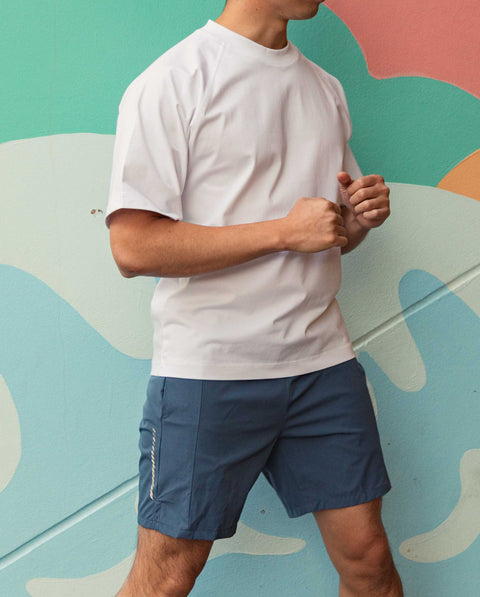
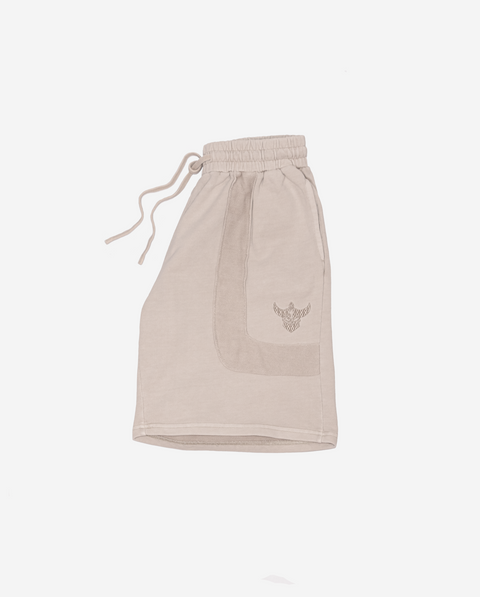
We choose natural and recycled fibres where they perform, and synthetics only where the alternative would compromise quality. Heavyweight constructions designed to outlast cheap fast-fashion alternatives.
Smaller, more deliberate runs
Producing in smaller quantities limits unsold stock and keeps us close to the people making our clothes. We'd rather sell out than discount unsold stock at the end of a season.
Built to last, repaired when needed
Durability is the most under-rated form of sustainability. A piece worn for ten years beats five biodegradable ones thrown out after one. Every INKUTTU piece is made to be worn for years.
Choosing fabric is a values decision
We pick fabrics for performance, longevity and the way they feel after a hundred washes — not for the marketing line we can run on the product page. Where natural and recycled fibres do the job, we use them. Where they don't, we're upfront about that trade-off rather than pretending it doesn't exist.
As we grow, we'll publish more transparency on the specific materials and sources we use, and what proportion of our range each represents. We'd rather get there with proof than make claims we can't back up today.
Long partnerships, not lowest bidder
We choose manufacturing partners for skill, conditions and the relationship — not the lowest cost. We work with a small number of factories and mills, and we visit the ones we can. We expect partners to meet fair-wage and safe-condition standards, and we maintain the right to walk away when they don't.
As our supply chain matures we'll publish more detail on our approach to labour practices and traceability.
The longer it lives, the better we're doing
The simplest sustainability lever any clothing brand has is making things people want to keep wearing. We design for that — fits and fabrics that hold up, hardware that doesn't fail, finishes that age well rather than degrade.
Care guidance is included with every piece. If something we made fails before it should, we want to hear about it — email support@inkuttu.com.
What we're working towards
We're a small team and we'd rather be honest than comprehensive. Some things on our list:
— Greater transparency on the specific materials and sources in each product
— A formal repairs offer for INKUTTU pieces
— Take-back and resale, when we're large enough to operate it well
— Published reporting on our footprint, when we have data we trust enough to share
We'll update this page as we move on each one. If you've got questions, ideas, or pushback — please tell us.
Durability is the most under-rated form of sustainability. A garment worn for ten years beats five biodegradable ones thrown out after one.
INKUTTU founders
Got questions, ideas, or pushback?
Email our team. We answer every message — even the hard ones.